


Morrison Design has unveiled its ambitious refurbishment of The Sloane Club, the historic private members’ club in the heart of Chelsea. We sat down with architects Peter Newman-Earp and Les Witten to discuss the brief, the challenges and the design thinking that shaped this significant transformation.
The Brief: A New Identity for a New Generation
According to Les, the client came to the team with a clear goal: “They wanted to reposition the Club to appeal to a new generation while still respecting its heritage.” One of the most important elements of the brief was the redevelopment of the terrace.
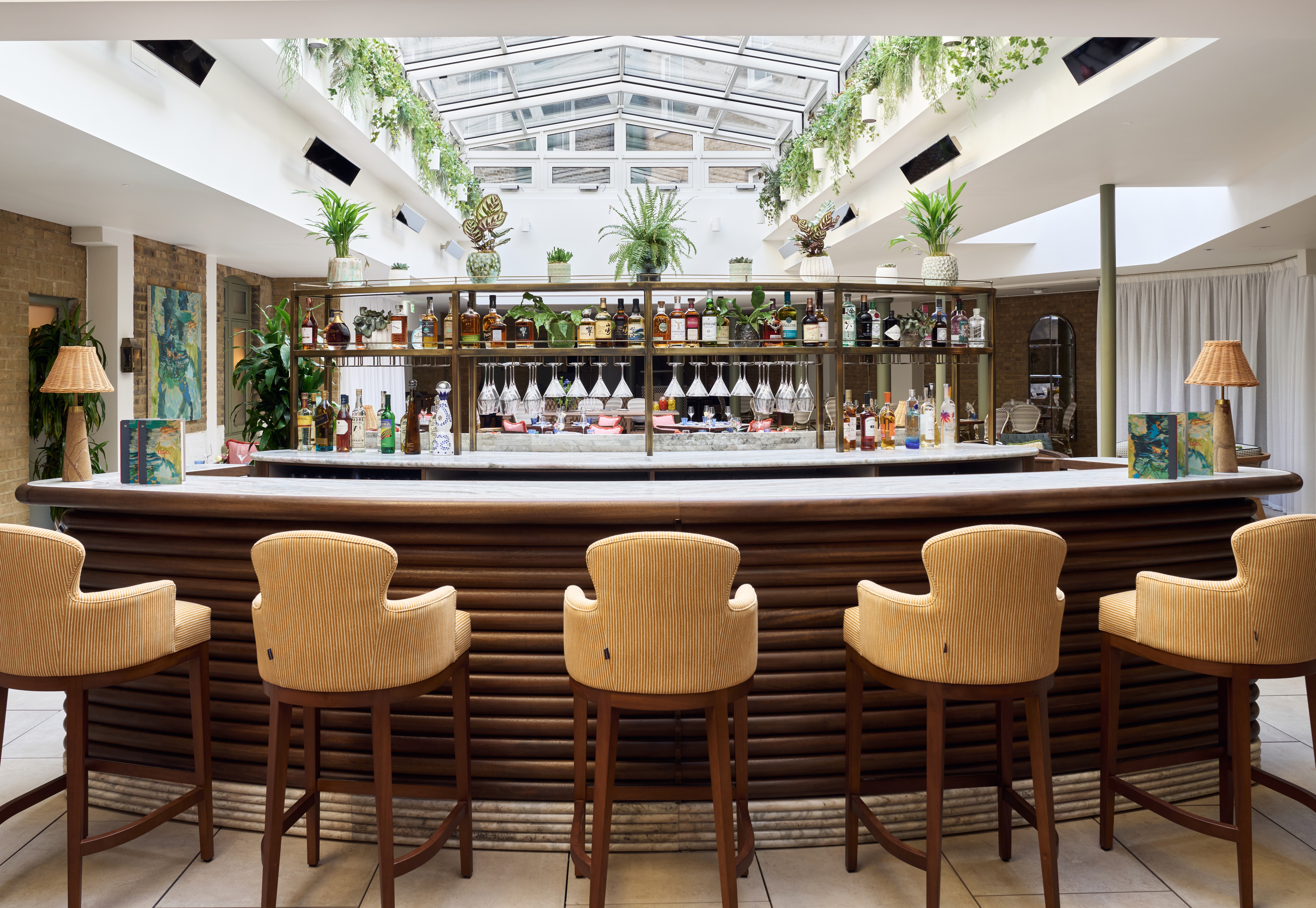
“The terrace could only be used in fine weather – it was essentially a courtyard with awnings,” says Peter. “The challenge was to turn it into an all-year-round space that felt airy, light and inviting. Increasing the food and beverage offer was a welcome bonus.”
The Vision: Light, Openness and Architectural Clarity
For the terrace, the design intent was driven by a desire for purity and simplicity. Les explains, “We wanted to maximise the open space on the roof and create a timeless environment with clean, pure lines. A lot of the architecture was dictated by the existing structure – it was a challenging area to span, but the end result feels effortless.”
The front-of-house areas were treated with an equally transformative approach. Peter notes, “The Club needed bigger, more open spaces. We focused on improving the flow so guests could navigate intuitively while still experiencing pockets of character and individuality.”
The Challenges: Heritage Meets Heavy Engineering
Working within a 19th-century building located in a conservation area brought significant technical and logistical challenges. Peter explains, “It’s a hefty structure. We removed large structural elements, including a roof light we thought would be simple – turns out it was a monolithic piece of concrete.”
Maintaining operations throughout added another layer of complexity. Les adds, “Keeping a hotel or club open while doing major works is always tricky. Phasing the works carefully and minimising disruption was crucial.” Even logistics became puzzles in their own right. “Some of the new bed heads were huge and incredibly heavy – just getting them upstairs required real teamwork and creativity.”
Guest Experience: At the Heart of Every Decision
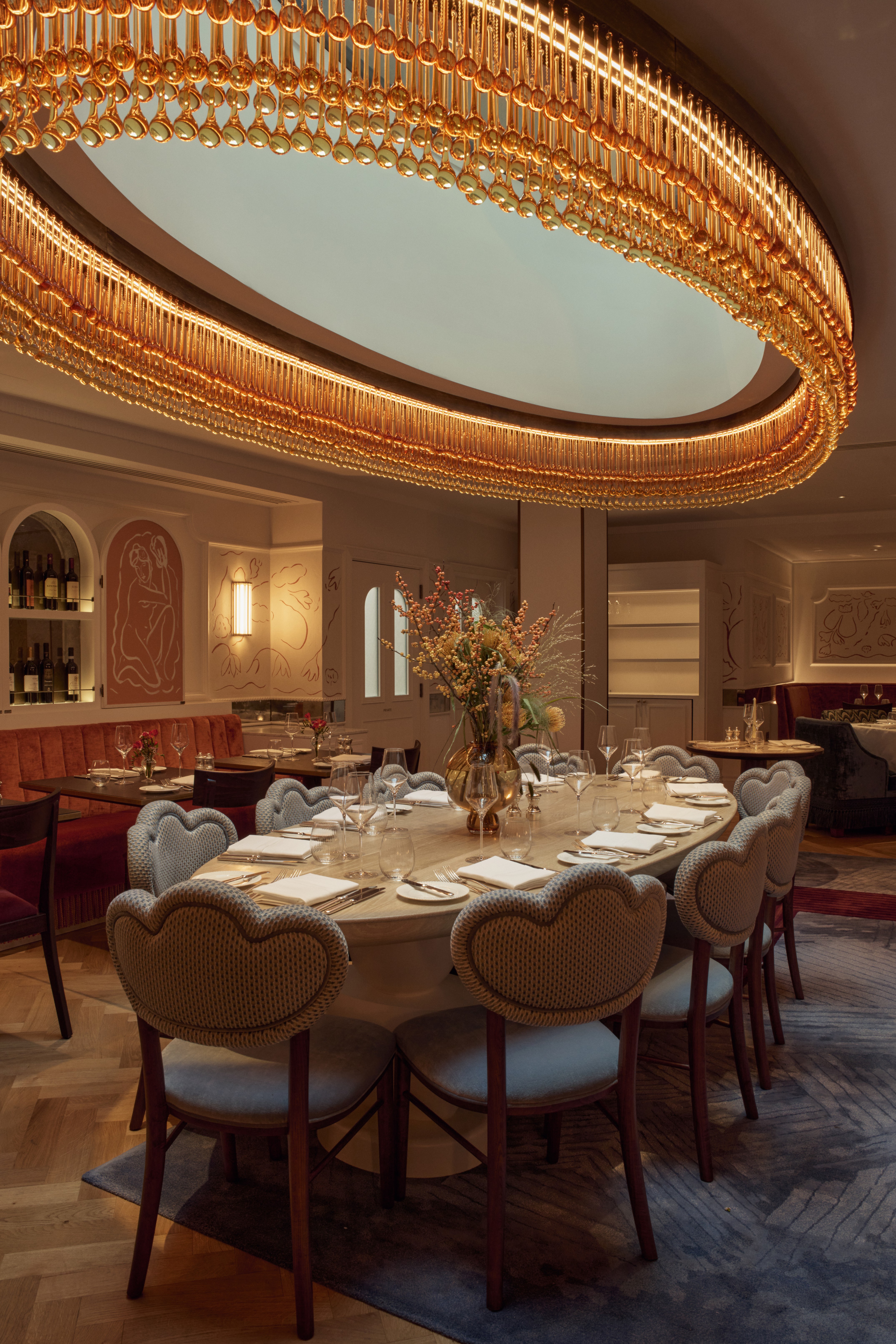
Improving the member experience was central to the design process. Les explains, “We opened up the reception area to create a far more inviting arrival. The space is easier to read now, and the improved flow helps guests feel more at ease from the moment they enter.”
New amenities were also added, including a wellness suite featuring a gym and treatment rooms. Accessibility was another priority. Peter says, “We introduced an accessible lift and designed flexible bedrooms that can adapt to individual guest needs. It was important that the Club genuinely feels welcoming to everyone.”
The Result: A Club Transformed
Both architects are delighted with the final outcome. “The terrace is brilliant – it’s exactly what I pictured,” says Les. “It’s flexible, uplifting and has become the hub of the entire Club.”
Peter adds, “The whole Club feels different now – more atmospheric, more theatrical. It’s all fallen into place beautifully.” Positive guest reactions have been especially rewarding. “Hearing guests speak so positively about the changes makes all the hard work worthwhile,” he says.
Proud Moments: Delivering Spaces That Resonate
When reflecting on their proudest achievements, both Peter and Les point to the terrace, not only for its appearance but for what it represents.
“It’s the single biggest space in the project and the one with the most technical challenges,” Les explains. “To see it now – light, elegant and welcoming – it delivers everything the client hoped for. It’s become a destination in its own right.”
Peter adds, “What makes me proud is not just how it looks, but how it’s being used. The terrace is alive now. Members are spending time there morning to night, and the versatility of the space means it adapts beautifully to different moods and functions.”
For both architects, the emotional reward is just as important as the technical achievement. Les says, “Overhearing genuine, unscripted reactions from guests – those little moments remind you why we do what we do.”
Favourite Spaces: Personal Picks from the Architects
Despite the scale of the project, both architects have developed personal attachments to different pockets of the Club, each reflecting its revitalised character.
Les’s favourite spot is the corner of the reception lounge. “There’s an alcove with a fireplace that feels incredibly inviting. It represents what we wanted to achieve throughout the Club: warmth, comfort and a sense of belonging.”
Peter has two favourites depending on the time of day. “In the evening, it has to be the demob bar. It has this moody, cosy atmosphere where you can sit with a cocktail and at the end of a long day.” During the daytime, his pick shifts. “The library is wonderful. It’s light, airy and calm – the kind of space where you instantly relax.”
These preferences highlight the richness of the redesign – distinct spaces with individual character, all contributing to a cohesive and enhanced Club identity.
Photography credit: Sam Walton